
Hyper-Personalization: When Marketing Truly Connects
Remember when Instagram first showed you an ad for something you'd only discussed verbally with a friend?

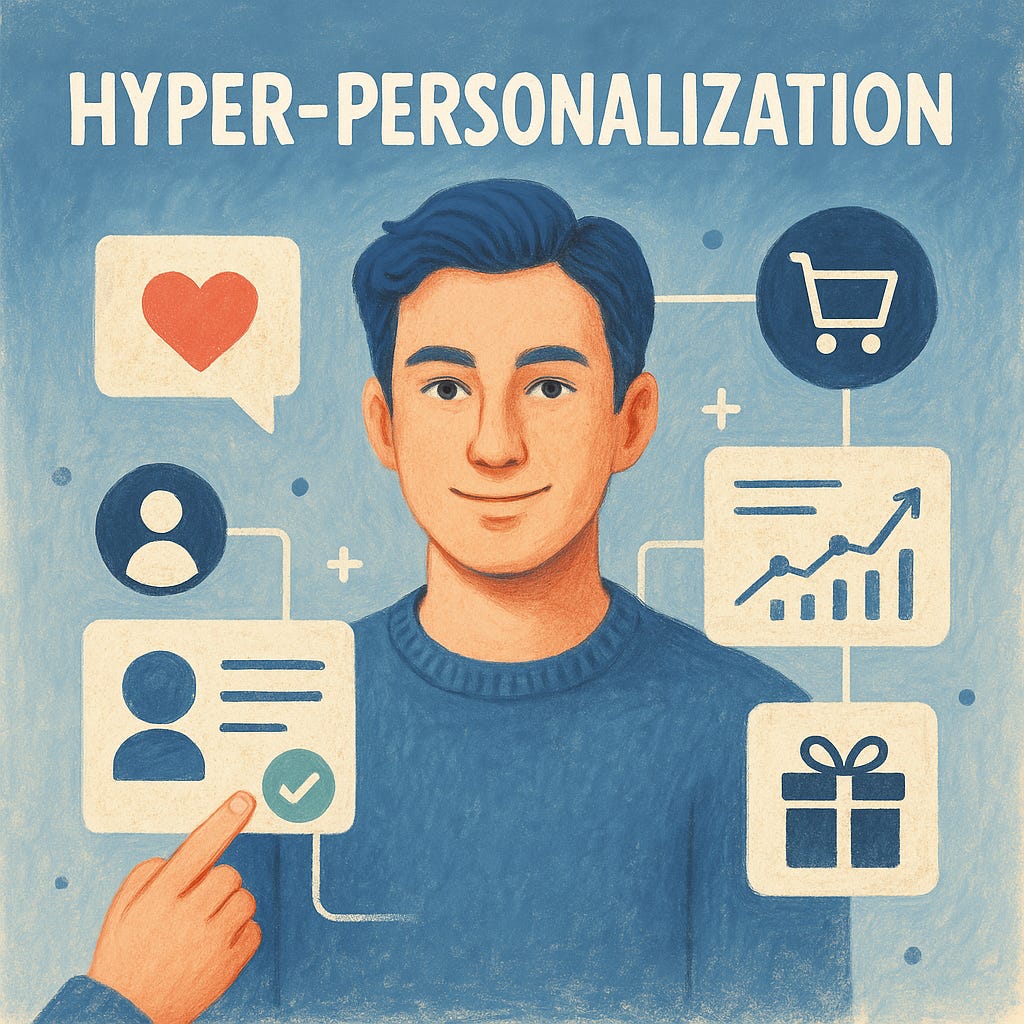
Well, buckle up, because we're just getting started. With recent breakthroughs in AI image generation, we're entering an era where marketing won't just know what you want—it'll show it to you in startlingly personal ways.
I've spent years exploring adaptive learning in marketing education, and I'm seeing the same principles now revolutionizing how brands connect with consumers. Just as I discovered that teaching is most effective when personalized (something I learned firsthand at U of T), marketing is most powerful when it feels made just for you.
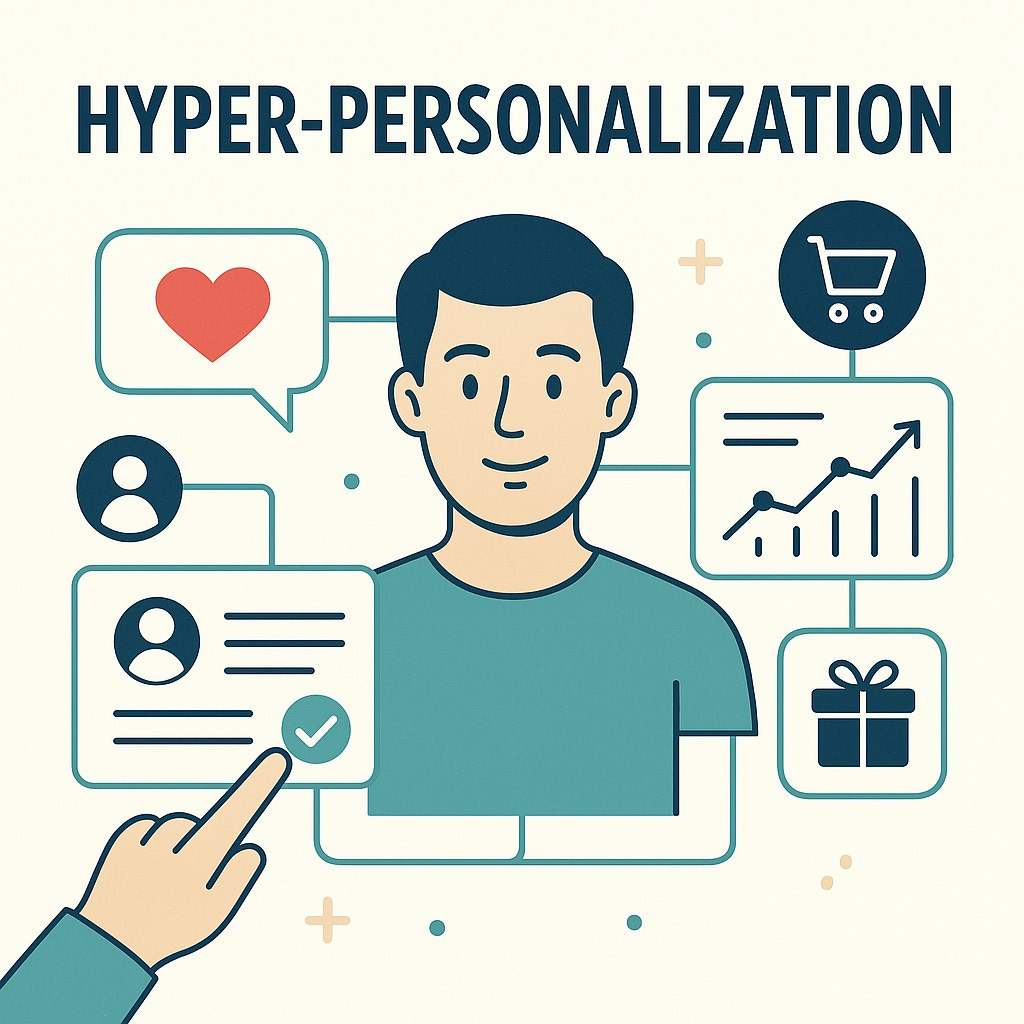
From Mass Messages to Mind Reading
Marketing has always been on a journey toward the individual. We started with billboards shouting the same message at everyone, moved to basic demographics ("Hey suburban moms!"), then to simple personalization ("Hi [First Name]!").
But hyper-personalization is something else entirely. It's the difference between a form letter with your name at the top and a conversation with someone who really knows you.
The tools making this possible aren't just impressive—they're transformative. AI can now generate images that place products in your home, create videos showing you using a service, or develop entirely customized user experiences based on your digital footprint.
Three Essential Elements for Genuine Connection
Through my years of agency experience, I've learned that effective personalization isn't just about technology—it's about foundation, intelligence, and delivery. Marketing hyper-personalization follows the same principles:
1. Quality First-Party Data
Just as I discovered that meaningful feedback requires knowing my students, meaningful marketing requires quality first-party data—information freely given rather than secretly scraped. Without this foundation of trust, everything else crumbles.
2. Intelligence That Understands Patterns
The best teachers recognize patterns in student behavior and adapt accordingly. Similarly, marketing intelligence must go beyond simple if-then rules to understand complex relationships between behaviors and preferences.
3. Delivery That Actually Matters
I've always believed education should be adaptive—shifting to meet individual needs. Marketing must do the same, adjusting content, timing, channel, and format to create experiences that feel genuinely valuable, not just personalized for personalization's sake.
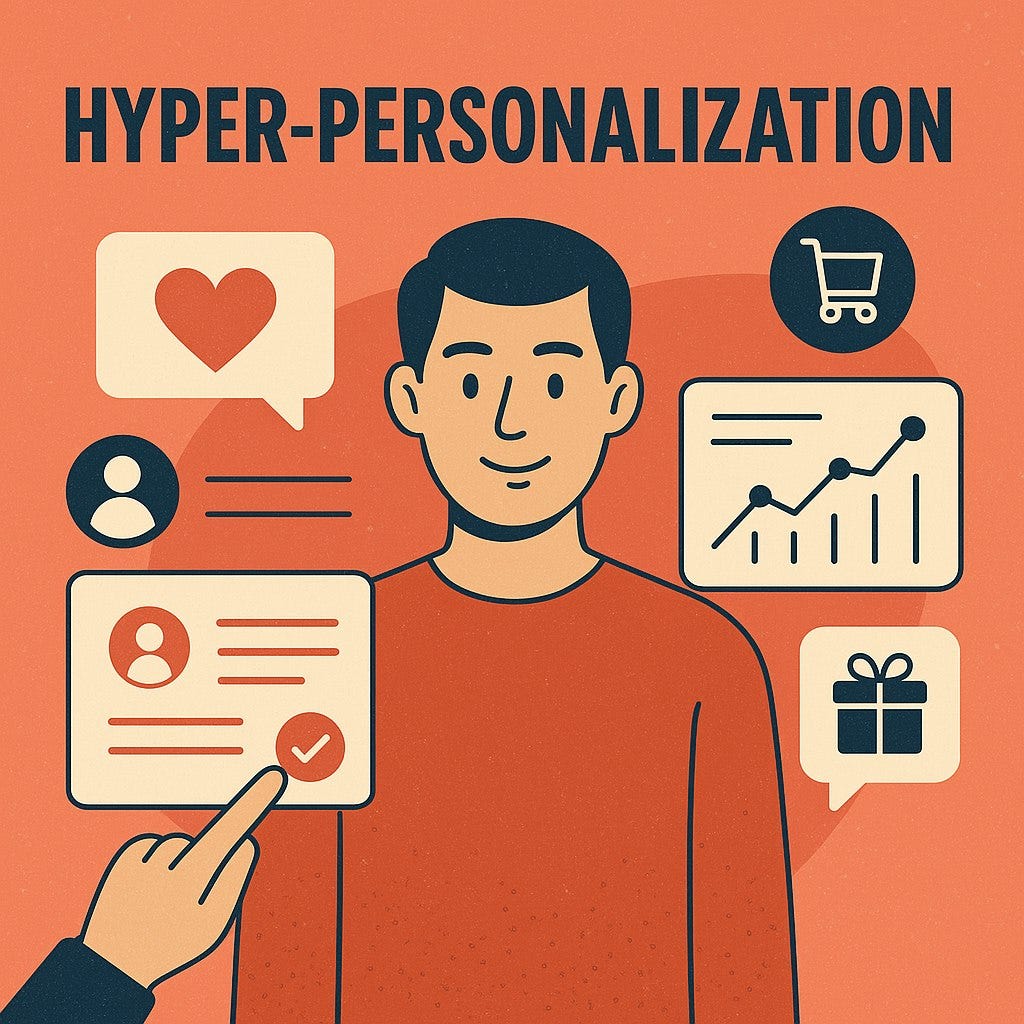
Strategy Before Technology
Before investing in fancy hyper-personalization technology, ask:
Which aspects of personalization will actually make customers' lives better?
Where would personalization create the most meaningful difference?
What capabilities does your organization need to develop?
Without this foundation, you risk creating experiences that feel intrusive rather than helpful—like that professor who knows your name but doesn't understand your learning style.
We've all experienced the "creepy factor"—that moment when personalization crosses from helpful to unsettling. As someone who's witnessed both great and terrible applications of technology in healthcare and education, I can tell you that trust is non-negotiable.
Start Small, Think Big
You don't need to transform everything overnight. Organizations can:
Start with a single customer segment where personalization would be truly appreciated
Focus on one channel before expanding
Build capabilities incrementally, learning as you go
Each small success builds confidence and creates momentum for bigger changes.
Despite all this technology, I firmly believe the human element remains central.
The most effective implementations will combine algorithmic precision with human understanding—creating experiences that don't just convert but truly connect.
Building Genuine Connections at Scale
The real promise of hyper-personalization isn't efficiency or conversion optimization—it's creating genuine connections with customers at scale. It's using technology to make marketing more human, not less.
The future won't belong to brands with the most data or the fanciest AI. It will belong to those who use these tools with empathy, ethics, and genuine understanding.
I genuinely hope that this is the case with all AI usage: 'The future won't belong to (brands with) the most data or the fanciest AI. It will belong to those who use these tools with empathy, ethics, and genuine understanding.' 🙏